 By Levi Luke
Pilates is a household name in the wellness world, but many in Singapore are still unsure whether to begin with the pilates reformer or stick to the more accessible mat Pilates. While both forms stem from the same foundational principles — controlled movement, breathwork, alignment and core engagement — they offer very different experiences. So, which one suits your goals, body, and lifestyle better?
In a city where time, convenience and results matter, understanding the difference between reformer and mat Pilates is key to making the right choice.
What is Reformer Pilates?
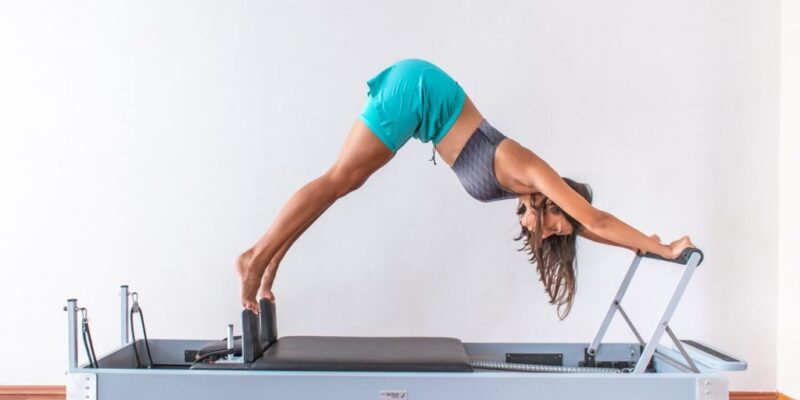
Reformer Pilates involves a specialised machine called the reformer, which uses spring-based resistance and a sliding platform to challenge your balance, strength and flexibility. You’ll find yourself lying down, kneeling, or standing on the machine as you perform a range of exercises that engage your full body.
This equipment allows for:
- Adjustable resistance based on your strength level
- A greater range of motion and flexibility
- Support for beginners or those in rehabilitation
- Advanced variations for seasoned practitioners
It’s particularly popular in Singapore due to its low-impact nature and efficiency — perfect for urbanites juggling packed schedules and high-stress lifestyles.
What is Mat Pilates?
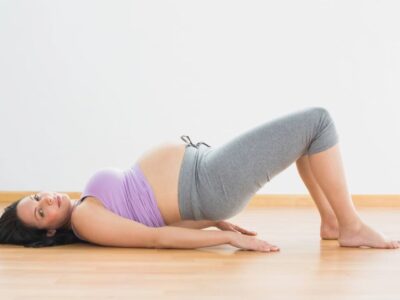
Mat Pilates, on the other hand, is performed on the floor using your body weight as resistance. It’s often more accessible, as it doesn’t require equipment beyond a mat and possibly props like rings or bands.
This style focuses on:
- Deep core activation
- Precise control and posture
- Stability and alignment
- Developing strength without external resistance
Mat Pilates classes are widely available in community centres, yoga studios and even online — making them a convenient starting point for many in Singapore.
Comparing Key Aspects: Reformer vs. Mat Pilates
Let’s break it down further across practical categories that matter to Singaporeans choosing their Pilates journey:
1. Accessibility & Cost
- Mat Pilates is more budget-friendly. No equipment is needed beyond a mat, and classes tend to be more affordable.
- Pilates reformer classes are priced higher due to the use of machines and smaller class sizes, but they offer a premium, personalised experience.
For those who value in-studio attention and structured progression, reformer Pilates offers far more than just exercise — it’s an investment in long-term physical health.
2. Customisation & Adaptability
- Mat classes often follow a structured format with limited variation.
- The pilates reformer offers endless variations and adaptability through spring resistance, ideal for beginners, those recovering from injury, or advanced users seeking challenge.
Whether you’re a 65-year-old recovering from hip surgery or a dancer building control, the reformer can be customised to suit your specific goals.
3. Intensity & Progression
- Mat Pilates relies entirely on body weight and gravity. It’s deceptively challenging but may plateau in intensity for seasoned exercisers.
- The reformer enables progressive overload through resistance springs, which means your body continues adapting and growing stronger over time.
This makes the pilates reformer a better long-term fit for people seeking continuous improvement or athletic performance enhancement in Singapore’s fitness-forward culture.
4. Support & Injury Prevention
The reformer offers built-in support. Movements are guided by straps and pulleys, allowing you to build strength in correct alignment and avoid compensations.
This is a game-changer for:
- Postnatal women recovering core strength
- Those with scoliosis or back pain
- Seniors working on balance and joint stability
In contrast, mat Pilates requires more body awareness and may not be ideal for people who struggle with proprioception or mobility limitations.
5. Results & Aesthetic Goals
If you’re looking to sculpt lean muscles, reduce back pain, improve posture, and tone your body with visible changes, pilates reformer is often more effective due to its versatility and ability to target every muscle group under control and resistance.
Singaporeans who have tried both methods often report that the reformer helped them notice posture improvement, strength gain and even better sleep in a shorter time frame.
Who Should Choose What?
Here’s a quick decision guide to help Singapore-based individuals decide which format suits them better:
Choose Mat Pilates if you:
- Are new to movement and want to try Pilates at home or in a group setting
- Prefer a lower-cost, accessible starting point
- Don’t have physical limitations that require equipment support
Choose Reformer Pilates if you:
- Are recovering from injury or have joint sensitivity
- Want full-body strength, flexibility and muscle tone
- Prefer instructor-guided, small group or private sessions
- Value a structured, progressive system for long-term results
Reformer Pilates in Singapore: More Than a Workout
With Singapore’s fast-paced lifestyle, the demand for intelligent, functional fitness continues to rise. Reformer Pilates delivers not only physical benefits, but also mindfulness and stress relief. The guided pace and breath control help you slow down and reconnect with your body — something many Singaporeans deeply need amidst daily stressors.
Studios like Yoga Edition offer thoughtfully curated classes, experienced instructors and a welcoming environment to explore the reformer experience at every stage of your journey.
Real Benefits of the Reformer Machine
Here’s why the reformer machine has gained a loyal following in Singapore:
- Improves alignment and posture rapidly
- Helps with muscle imbalances from sitting or sports
- Strengthens without bulk — ideal for a toned look
- Builds joint stability and flexibility simultaneously
- Increases body awareness and injury prevention
It’s not just a trend — it’s a smart, efficient and sustainable way to take care of your body.
Bullet Point Recap: Key Differences
- Mat Pilates is bodyweight-based; reformer adds adjustable resistance
- Reformer offers more support, range, and variation
- Mat is great for mobility and core focus; reformer targets total-body strength
- Reformer is ideal for injury recovery and progressive conditioning
- Mat classes are budget-friendly and easily accessible
Real-Life FAQ: Answering Singaporeans’ Common Questions
Q1: Is reformer Pilates harder than mat Pilates?
Not necessarily. Both can be challenging. Reformer Pilates offers resistance, which can be adjusted, making it suitable for both beginners and advanced practitioners.
Q2: I’ve tried mat Pilates before — will I benefit from switching to reformer?
Absolutely. Reformer Pilates adds variety and intensity, and helps deepen your understanding of form and technique. It’s an excellent way to level up.
Q3: Can I start with reformer Pilates even if I’ve never done Pilates before?
Yes, and in fact many studios in Singapore recommend starting with reformer sessions, especially 1-on-1 or small group classes for foundational understanding.
Q4: Is there a big price difference between the two?
Yes. Mat classes tend to be cheaper, while reformer Pilates involves specialised equipment and smaller group sizes, hence the higher cost — but also more personal attention and better progression.
Q5: Can I alternate between mat and reformer Pilates?
Definitely. Many Singaporeans alternate between both to enjoy the benefits of each — mat for control and bodyweight endurance, and reformer for variety and deeper strength training.