 By Levi Luke
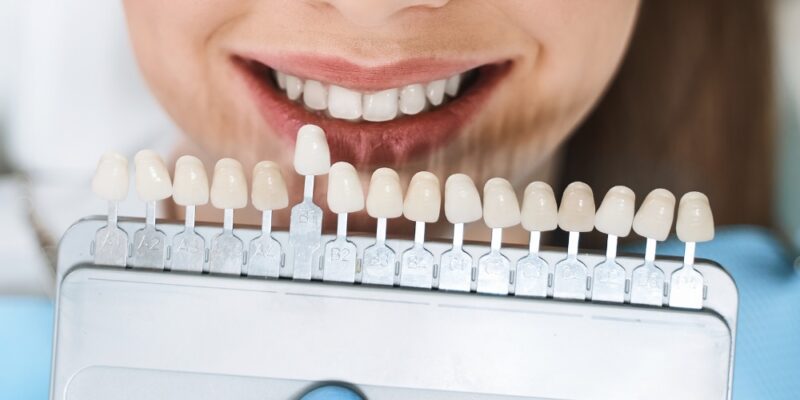
Veneers are one of the most predictable ways to improve the look of teeth, yet their success depends as much on what happens after fitting as on the quality of the dental work itself. Veneers are thin shells, usually made of porcelain or composite, bonded to the front of teeth. They are designed to be durable, but they are not indestructible, and the first few weeks are particularly important. Understanding what to avoid can protect both your investment and your comfort.
Veneers sit within this broader picture of oral health, so it makes sense to approach them with the same care and planning. Good aftercare not only preserves appearance but also reduces the risk of needing further treatment later.
A cosmetic dentist in London at MaryleboneSmileClinic recently shared some practical guidance on veneer aftercare for London patients who want clear, everyday advice. They noted that patients who take time to understand their London veneers tend to experience fewer problems and better long-term results. This kind of professional input can help you avoid common mistakes in the critical early stage after your veneers are fitted.
What follows is a clear look at ten things to avoid after getting veneers, set within the realities of daily life in the capital. Each section focuses on a different aspect of care, so readers can build a full picture of how to protect their new smile and keep it looking natural for years to come.
Avoiding physical stress on new veneers
One of the most common problems with new veneers comes from putting them under too much physical stress too soon. Although they are bonded firmly to the teeth, the cement and surrounding enamel need time to settle. Chewing very hard foods, biting fingernails, or opening packaging with your teeth can all create sudden forces that may weaken the bond. This is especially relevant in the first few days, when the adhesive is still reaching its full strength. Even habits that seem harmless, such as chewing on pens during meetings or clenching the jaw during a stressful commute, can contribute to micro-damage over time.
Contact sports also deserve careful thought. If you play rugby, hockey, or even casual five-a-side football, wearing a mouthguard becomes essential. A blow to the mouth can crack or dislodge a veneer, leading to expensive repairs. Night-time grinding, known as bruxism, is another hidden risk. Many Londoners grind their teeth without realising, often linked to stress or sleep problems. A custom-made night guard from your dentist can protect veneers from the repeated pressure of grinding, which might otherwise shorten their lifespan.
By avoiding unnecessary physical strain, you give veneers the best chance to perform as intended. They are designed to look natural and feel comfortable, but they rely on the underlying tooth structure for support. Looking after that foundation is as important as caring for the visible surface.
Steering clear of staining and erosion
Porcelain veneers are highly resistant to staining, but the edges where veneer meets natural tooth can still be affected by what you eat and drink. Composite veneers, which some patients choose for affordability or quick treatment, are more prone to discolouration. Drinks such as coffee, red wine, and tea are everyday staples for many Londoners, yet they are also some of the biggest culprits when it comes to staining. Acidic drinks like fruit juices and fizzy beverages can soften the enamel around veneers, making it easier for pigments to settle in.
This does not mean you need to give up all your favourites, but moderation and timing matter. Rinsing with water after a dark or acidic drink helps wash away residue before it has a chance to do harm. Using a straw for cold drinks can also reduce contact with the front teeth. Smoking or vaping introduces both heat and staining chemicals, which can dull the appearance of veneers and irritate the gums. Quitting or cutting back has obvious health benefits, but it also protects the cosmetic work you have invested in.
Toothpaste choice is another factor. Abrasive whitening pastes can wear down the polish on veneers, leaving them more likely to attract stains. A gentle, non-abrasive formula recommended by your dentist is usually best. Over time, these small decisions add up, keeping your smile brighter and more even.
Avoiding poor oral hygiene habits
Some people mistakenly believe that veneers replace the need for careful brushing and flossing. In reality, they make good hygiene even more important. Plaque and bacteria still collect around the margins of veneers, where they meet the natural tooth and gum. If this area becomes inflamed or decayed, the veneer may no longer sit securely, regardless of how well it was made. Skipping flossing or brushing too roughly can both cause problems, either by allowing decay to develop or by irritating the gum tissue.
Using a soft-bristled toothbrush and gentle technique helps clean effectively without damaging the surface of the veneers. Interdental brushes or floss should be used daily to remove debris between teeth. Many patients find that electric toothbrushes with pressure sensors are useful, as they reduce the risk of scrubbing too hard. Mouthwash can also play a role, but alcohol-free versions are generally kinder to gums and dental materials.
Regular dental check-ups remain essential. Even if everything feels fine, a dentist can spot early signs of trouble before they become serious. This is similar to how patients with a dental implant London clinics provide are advised to attend routine reviews to ensure the surrounding bone and gum stay healthy. Veneers also benefit from this ongoing professional oversight, which helps them last as long as possible.
Being cautious with diet and temperature extremes
Beyond staining, certain foods can physically damage veneers if eaten carelessly. Hard sweets, ice cubes, and unpopped popcorn kernels can chip or crack the thin porcelain layer. Sticky foods such as toffee or chewing gum may pull at the edges, especially if a veneer has already been weakened by wear or grinding. Even biting directly into very crusty bread or apples can put uneven pressure on the front teeth. Cutting food into smaller pieces and chewing with the back teeth reduces these risks.
Temperature is another often overlooked issue. Very hot drinks followed by cold water, or vice versa, create rapid expansion and contraction in dental materials. Over time, this thermal stress can contribute to tiny fractures or a breakdown in the bonding cement. While veneers are designed to cope with normal temperature changes, extremes in quick succession are best avoided. Letting hot drinks cool slightly and avoiding ice immediately afterwards is a simple precaution.
Diet also influences overall oral health. A balanced intake of calcium, vitamin D, and other nutrients supports the underlying teeth and gums that hold veneers in place. Sugary snacks increase the risk of decay at the margins, so keeping them to a minimum protects both natural tooth structure and the veneer itself.
Avoiding self-adjustments and ignoring early warning signs
It can be tempting to try to fix a small issue at home, especially if a veneer feels slightly rough or out of place. However, filing, gluing, or adjusting a veneer yourself almost always makes things worse. Dental materials and adhesives are designed to be used in a controlled clinical environment. Home fixes may introduce bacteria, weaken the bond, or damage the surrounding enamel. If a veneer chips, feels loose, or causes discomfort, contacting your dentist promptly is the safest option.
Early warning signs should never be ignored. Sensitivity, persistent gum soreness, or changes in how your bite feels can all indicate that something is not quite right. Addressing these issues early often means a simple adjustment rather than a full replacement. Many London clinics offer emergency appointments for cosmetic patients because they understand how important appearance and comfort are in daily life.
This cautious approach is similar to the advice given for other advanced treatments, including a dental implant London specialists place. In both cases, early professional attention prevents small problems from becoming complex and costly. Being proactive protects your smile and your peace of mind.
Long-term habits that protect your investment
Veneers are a long-term investment in both appearance and confidence, so thinking beyond the first few weeks is essential. Lifestyle habits have a cumulative effect. Staying hydrated supports saliva production, which naturally cleanses the mouth and neutralises acids. Managing stress through exercise, mindfulness, or better sleep can reduce jaw clenching and grinding, indirectly protecting veneers. Even posture at a desk can influence neck and jaw tension, which in turn affects how teeth come together.
Professional maintenance also plays a role. Periodic polishing by a dental hygienist keeps veneers smooth and glossy, making them less likely to hold stains. Dentists can also check the bite to ensure that no single veneer is taking too much force. Over the years, natural teeth may shift slightly, so occasional adjustments help maintain balance.
It is worth remembering that veneers do not last forever. With good care, porcelain veneers can last well over a decade, but they will eventually need replacing. Treating them gently, keeping up with hygiene, and attending regular appointments all extend their useful life. In a city like London, where people often rely on their smile in professional and social settings, these habits make a practical difference. By avoiding the ten pitfalls outlined above, you give your veneers the best chance to stay comfortable, natural-looking, and reliable for many years.