 By Levi Luke
Tired skin is rarely caused by one issue alone. Long working hours, central heating, air pollution, irregular sleep, commuting, stress and overuse of active skincare products often combine to leave skin looking dull, dehydrated and uneven. The result is familiar: a flat tone, rough texture, shadowing around the eyes and a general lack of bounce. While marketing often treats this as a simple moisturiser problem, aesthetic experts usually look at tired skin as a combination of barrier weakness, dehydration, slowed surface renewal and environmental strain.
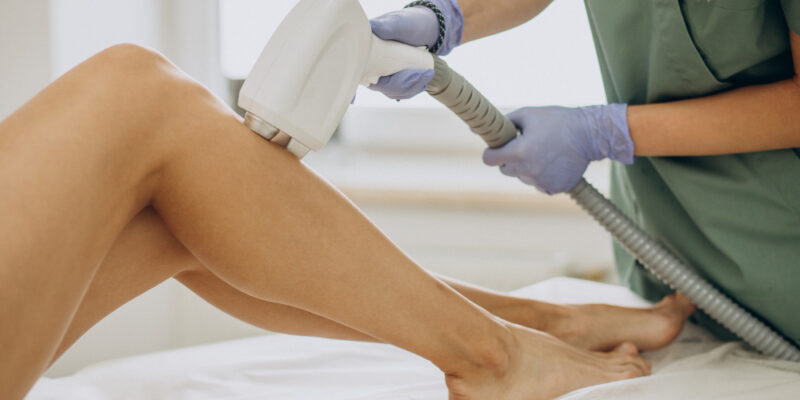
Medspa ‘s laser hair removal specialist says that many people seek help only after their usual skincare stops making a difference, but tired-looking skin often improves most when treatment is matched to the cause rather than the symptom. In their view, patients searching for a trusted beauty clinic London should focus on professional assessment first, because dullness, congestion, redness and dehydration can all look similar but require different approaches.
That practical approach matters in a city like London, where skin is exposed to fast changes in temperature, dry indoor air and daily urban residue. Aesthetic specialists are increasingly moving away from one-size-fits-all facials and toward targeted plans that refresh skin in stages. Instead of trying to transform the face overnight, they focus on restoring clarity, comfort and consistency. For many patients, the most effective route is not aggressive resurfacing but a measured mix of hydration support, gentle exfoliation, collagen stimulation and barrier repair.
The term “refresh” can sound vague, yet in clinic settings it usually means something precise. Skin should reflect light better, feel smoother, hold moisture more effectively and recover more quickly from daily stress. It should also look more awake without appearing overtreated. This is especially relevant for people who want improvement that fits naturally into professional and social life, with minimal downtime and no dramatic change in facial character.
Across London, practitioners tend to return to five reliable methods when skin looks tired. These are not fleeting trends, but established treatment categories that can be adjusted to suit different ages, skin tones and concerns. What changes is the degree, combination and timing. When used correctly, each method addresses a different layer of the problem, from the skin’s surface texture to its water balance and structural support.
Medical-grade exfoliation to remove the dull surface layer
One of the most direct ways aesthetic experts refresh tired skin is by improving how the uppermost layer sheds and renews itself. When dead skin cells cling to the surface for too long, the complexion can look grey, rough and uneven even if the skin is technically healthy. In London, this problem is often made worse by pollution particles, sunscreen build-up, dry winter conditions and heavy use of makeup designed to stay in place all day. The face may feel coated rather than clean, and ordinary scrubs often make matters worse by causing irritation.
That is why experts usually prefer controlled exfoliation over abrasive home methods. This may involve superficial chemical peels, enzyme-based treatments or carefully selected acids such as lactic, glycolic, mandelic or salicylic acid, depending on the patient’s skin type and concern. The aim is not to strip the skin, but to loosen the compacted layer that prevents light reflection and traps congestion. When the approach is correct, the skin appears clearer and more even within days, and skincare products tend to absorb more effectively afterwards.
The detail that matters most is choice. Not every tired complexion should be treated with a strong peel. If the skin is also red, reactive or recently overtreated with retinoids and acids at home, an expert may start with a milder exfoliating method or delay active peeling altogether. The best clinics treat exfoliation as part of a wider plan, not a stand-alone fix. They ask whether dullness is coming from congestion, dehydration, inflammation or recovery failure, because each pattern changes the right level of treatment.
Another reason this method remains popular is that the results are visible without looking artificial. Skin texture softens, pores can appear cleaner and makeup tends to sit better. For busy London patients, that improvement can feel immediate and practical. It does not rely on covering fatigue; it helps the surface behave more normally again. Repeated at sensible intervals, professional exfoliation can also reduce the cycle in which people keep adding more products at home to solve a problem caused by too many products in the first place.
Experts usually warn that exfoliation alone will not fully solve tired skin if hydration and barrier health are poor. Still, as a first step, it often creates the cleanest reset. By removing the tired outer layer in a controlled way, the skin regains brightness without the harshness that comes from over-polishing it.
Deep hydration treatments that restore water balance, not just surface softness
Many people describe their skin as dry when it is actually dehydrated. The distinction matters. Dry skin lacks oil, while dehydrated skin lacks water, and tired city skin is often the second problem. It may feel tight by afternoon, look creased after commuting and become shiny in some areas while still feeling uncomfortable. In these cases, aesthetic experts often focus on restoring water balance within the skin rather than simply adding richer creams on top.
In clinic practice, this may involve hydrating facials with medical-grade ingredients, infusion-based treatments, hyaluronic acid-focused protocols, LED support or injectable skin boosters in suitable patients. These approaches are designed to improve how the skin attracts and retains moisture beneath the surface. When the water balance improves, skin tends to look less flat and less drawn. Fine dehydration lines soften, the complexion reflects light more evenly and the face appears more rested even before any structural treatment is considered.
This approach is particularly useful in London because dehydration is not always seasonal. Offices with strong air conditioning, heated public transport, long flights, poor sleep and caffeine-heavy routines can all leave the skin chronically low in water. Some patients then overcompensate with thick products, which may soften the surface temporarily but do little to improve deeper resilience. Aesthetic specialists often notice that once hydration is addressed properly, the skin becomes calmer and easier to manage overall.
The benefit of professional hydration work is also diagnostic. If skin rapidly improves after a course of hydration-based treatment, it suggests that the main issue was not age-related volume loss or severe pigmentation but functional stress. That can prevent unnecessary escalation to more invasive procedures. Clinics increasingly favour this measured route, especially for younger adults and for anyone whose skin has become unpredictable after experimenting with popular active ingredients at home.
There is also a visual quality to hydrated skin that people often struggle to recreate with cosmetics alone. It looks less chalky, less fatigued and more supple in changing light. This is relevant under office lighting, on video calls and in winter, when tired skin can appear particularly flat. A refreshed face does not have to mean a polished or overly glossy finish. More often, it means the skin looks comfortable and alive.
For that reason, deep hydration remains one of the most dependable ways experts restore tired skin. It supports skin function rather than chasing a temporary glow, and it often forms the foundation for every other treatment that follows.
Light-based treatments to calm stress, stimulate repair and improve overall tone
A tired complexion is not always just a texture problem. Often the skin looks exhausted because it is mildly inflamed, slow to heal or uneven in colour. This is where light-based treatments, especially LED therapy and selected energy-based procedures, play an important role. These methods are valued because they can improve the skin’s recovery processes without demanding the kind of downtime associated with more aggressive resurfacing.
LED treatment is widely used in aesthetic settings because different wavelengths can support different goals. Red light is commonly used to encourage repair and calm low-level inflammation, while blue light may be helpful where congestion and blemishes contribute to a tired appearance. On its own, LED can be subtle, but within a broader treatment plan it is often highly effective. It is especially useful after exfoliation, microneedling or periods of skin stress, when the barrier needs support rather than further challenge.
More advanced light or energy-based treatments may also be recommended for patients whose tired look is tied to pigmentation, broken capillaries or uneven redness. When performed appropriately, these can improve the overall uniformity of the skin so the face looks fresher without obvious intervention. Experts tend to be cautious, however, particularly in patients with reactive skin or darker skin tones that require careful parameter selection. Refreshing tired skin should not come at the cost of triggering prolonged sensitivity.
One reason light-based methods have become more common is that they fit modern expectations. Many patients want treatments that improve skin quality gradually and discreetly. They are less interested in a dramatic post-procedure reveal and more interested in looking better week by week. In London, where schedules are tight and social visibility is high, that often makes light-based treatment more appealing than options involving significant peeling or visible after-effects.
These treatments also work well for people whose skin looks tired because their lifestyle places it in a near-constant recovery deficit. Poor sleep, stress and pollution do not just make skin look dull; they can affect how well it repairs itself. Supporting recovery pathways can therefore make the complexion look more awake in a way that goes beyond surface brightness. Skin may appear calmer, more even and less strained.
Good practitioners present these options honestly. Light-based treatments are not magic, and results depend on correct selection and consistency. Yet when they are used in the right patient, they can be one of the most elegant ways to improve tired skin because they work quietly in the background, helping the face look fresher without changing its natural character.
Microneedling and collagen-focused treatments for skin that has lost bounce
Sometimes skin looks tired not because it is congested or dehydrated, but because it has become thinner, less elastic or slower to recover. In these cases, the problem is partly structural. The face may not show obvious deep ageing, yet it lacks spring, and the surface can seem creased or papery by the end of the day. Aesthetic experts often respond with collagen-focused treatments, especially microneedling, because they help improve the skin’s underlying quality over time.
Microneedling works by creating controlled micro-injuries in the skin, prompting repair processes that support collagen production and renewal. It is widely used for texture, post-acne change, fine lines and overall skin quality. For tired skin, its value lies in improving firmness and resilience. As the skin becomes more organised and better supported, it reflects light more evenly and looks less worn down. The improvement is usually gradual rather than instant, which is why experts often describe it as a rebuilding treatment rather than a quick glow treatment.
This method can be combined with topical serums, exosomes in some settings, or radiofrequency-based systems, though the exact choice depends on skin type, tolerance and treatment goals. The best results usually come from a course rather than a single session. That suits patients who want meaningful improvement without chasing a short-lived cosmetic effect. In a city where fatigue often accumulates over months rather than days, that longer-view approach makes sense.
Microneedling also appeals because it can bridge the gap between basic facial treatments and more invasive procedures. It gives practitioners a way to improve skin vitality without adding volume or altering facial shape. For patients who say they look tired but do not want to look “done,” that distinction matters. They are often seeking better skin, not a different face.
Careful assessment remains essential. Not every patient is a candidate at every moment. If the skin barrier is inflamed, if active acne is severe, or if the patient has used strong resurfacing products recently, treatment may need to be delayed or adjusted. Experts also pay attention to healing patterns, pigmentation risk and aftercare discipline. The success of collagen-focused work depends as much on correct timing as on the procedure itself.
When chosen well, however, these treatments offer one of the most durable forms of refreshment. They do not simply polish the surface for a few days. They encourage the skin to behave in a younger, stronger way, which is often what tired skin has been missing.
Barrier repair and treatment editing for skin overwhelmed by too much skincare
One of the more interesting shifts in aesthetic practice is that many experts now refresh tired skin by doing less, not more. A growing number of patients arrive at clinic using a crowded routine of acids, retinoids, vitamin C, scrubs, cleansing devices and online trend products layered without clear purpose. Their skin may not look obviously damaged, but it appears persistently dull, tight, reactive and blotchy. In these cases, the tired look is being produced by chronic overload.
Aesthetic experts increasingly treat this by editing the routine and rebuilding the barrier. That may sound simple compared with machines and injectables, but it can be one of the most effective interventions available. The skin barrier regulates water loss, protects against irritants and helps maintain comfort and clarity. When it is compromised, skin can look tired no matter how many brightening products are applied. Makeup may separate, redness may linger and even mild weather changes can trigger discomfort.
Barrier repair plans often involve stopping unnecessary actives for a period, simplifying cleansing, increasing the use of ceramides or other supportive ingredients and avoiding repeated self-exfoliation. In clinic, this may be supported with calming facials, LED, hydration treatments or very gentle peels only when the skin is ready. The idea is to move from stimulation to stability. For many patients, this alone improves the complexion more than another expensive intervention.
This approach is particularly relevant in London, where people are exposed to strong beauty marketing and often build routines around online recommendations rather than their own skin behaviour. The pressure to maintain a “results-driven” regimen can lead to constant low-grade irritation. Experts now recognise that tired skin is frequently overmanaged skin. Instead of asking what powerful product to add next, they ask what can be removed so the skin can function normally again.
There is also a broader lesson here about what refreshed skin actually means. It does not always mean high shine, poreless texture or perpetual exfoliation. Healthy, rested-looking skin has variation and movement. It is comfortable, stable and predictable. When clinics help patients recover that baseline, the face tends to look brighter in a way that feels real rather than coated.
For anyone considering professional help, the most useful expectation is not instant perfection but accurate assessment. A thoughtful practitioner will decide whether the skin needs exfoliation, hydration, stimulation, calming or simply rest. That is why the best outcomes often come from clinics that treat tired skin as a pattern to decode, not a trend to sell. In that sense, refreshment is less about a single signature treatment and more about expert restraint, timing and sequence. When those elements are right, tired skin usually stops looking like a permanent condition and starts looking like something that can be corrected with care.